
Grease Trap Cleaning in Cape Coral, FL
Complete pump-outs for commercial kitchens across Cape Coral. Every visit is a full evacuation, not a skim, with a signed manifest in your hand before we leave and a service interval set to how fast your trap actually fills.
- Full pump-out: grease cap, liquid, and bottom solids
- Signed waste manifest left on site every single service
- 90-day compliance schedules, adjusted when your trap fills faster
- Evening and weekend emergency response for overflows
Grease Services for Cape Coral Kitchens
Five services, one focus. We do not chase plumbing work, drain cleaning contracts, or septic side jobs. Grease is the whole business, which is why the truck shows up with the right hose length and the right tank capacity for your site the first time.
Full pump-out of indoor traps, walls and baffles scraped, inlet and outlet checked, signed manifest left on site. The core quarterly service for Cape Coral kitchens.
Read more →Scheduled route pumping on a 30, 60 or 90 day cycle sized to your actual fill rate, so the trap never crosses the 25 percent line between visits.
Read more →Outdoor in-ground interceptors from 500 to 2,000 gallons. Complete evacuation, baffle inspection, and a written condition report on the tank.
Read more →Overflows, backed-up floor drains, and inspection-morning emergencies. Evenings and weekends covered so the kitchen opens on time.
Read more →New builds, remodels, and takeovers. Sizing help, first-service setup, and a compliance schedule from day one instead of month six.
Read more →
Most Grease Complaints Trace Back to a Partial Pump
When a Cape Coral kitchen calls us for the first time, the story is usually the same. The trap was serviced on schedule, the invoices are in the folder, and the sink still backs up every few weeks. Nine times out of ten the previous contractor was skimming: pulling the floating grease cap off the top, leaving the water column and the settled solids in place, and writing it up as a cleaning.
It looks fine on paper and it is cheaper per visit. It also means the tank never regains its designed retention volume, so it re-loads to the 25 percent threshold within weeks. The kitchen ends up paying for compliance it never actually received, and the operator is the one standing there when the inspector opens the lid.
Our version is unglamorous. The whole tank comes out, the walls and baffles get scraped down, the inlet and outlet tees get checked for damage, and you get a signed manifest. Then we set the next date based on what we actually saw in your trap, not a default quarterly entry in a scheduling system.
Four Steps, No Surprises on the Invoice
Restaurant operators have enough moving parts. Grease service should be the part of the week nobody has to think about.
Size, location, and when it was last serviced. If you do not know, that is normal on a takeover and we will find out on the first visit.
We quote on trap size and site access, not a flat menu price. You hear the figure before a truck is scheduled.
Entire contents evacuated, walls and baffles scraped, inlet and outlet tees checked, lid reseated properly.
Signed manifest in your hand, next service date set to your real fill rate rather than a generic quarterly default.
Vacuum Capacity Sized to Your Tank
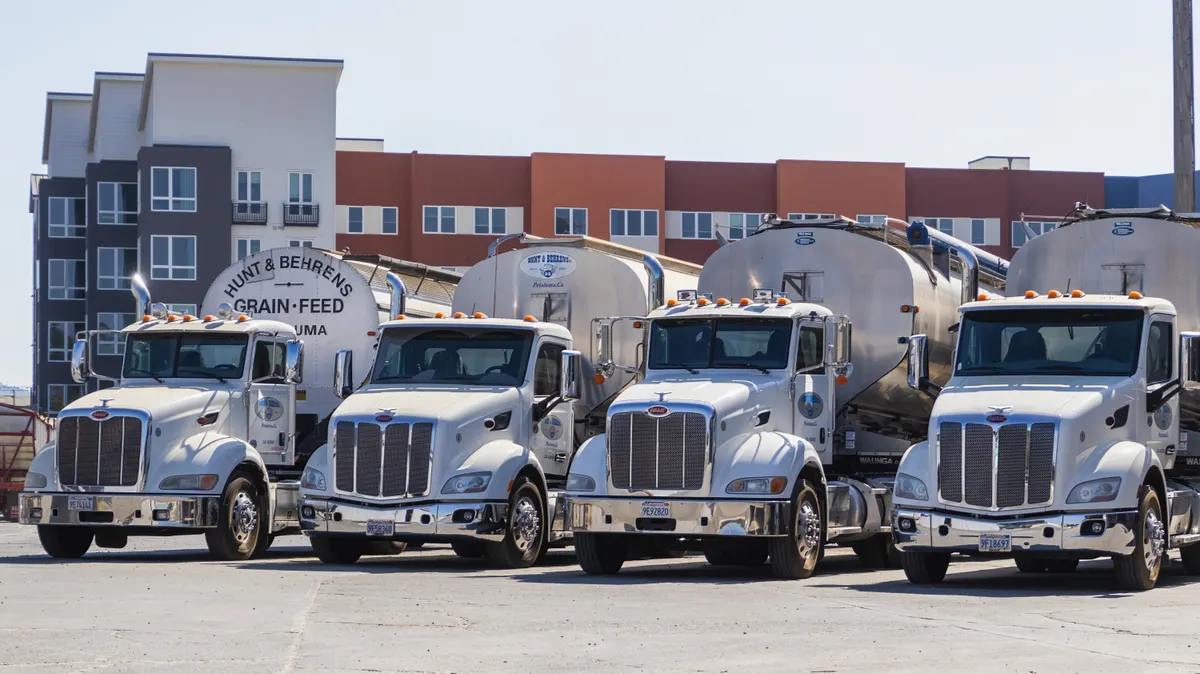
A 40-gallon under-sink trap and a 1,500-gallon outdoor interceptor are not the same job. The interceptor needs enough vacuum capacity to take the whole tank in one pull, and enough hose to reach a lid that is frequently on the far side of a parking lot from anywhere a truck can legally sit.
We ask about access before we schedule, because the alternative is a truck that arrives, discovers it is sixty feet short, and leaves you with a half-serviced tank and a return trip on the invoice.
Every load goes to a permitted receiving facility, and the manifest documents that chain of custody from your kitchen to the gate. Under Florida law the generator, not the hauler, carries the liability for improperly disposed grease waste, which is the single best reason to know exactly where your load is going.

Every Food Service Establishment in Cape Coral
If your kitchen produces fats, oils and grease, Florida classifies you as a food service establishment and the pumping rules apply. That covers far more than restaurants, and the smaller operations are the ones most likely to be running an undersized trap on a schedule that was never right for their volume.
All of Cape Coral, Plus the Lee County Line
Cape Coral covers about 120 square miles, which is why so many kitchens here get quoted by Fort Myers companies who treat the Cape as an outlying stop. We run the Cape as the route, not the detour.
Serving ZIP codes 33904, 33909, 33914, 33990, 33991 and 33993, plus neighbouring Lee County kitchens in Fort Myers, North Fort Myers, Estero and Bonita Springs on scheduled route days.
Full Service AreaStraight Answers on Cost and Code
Written for operators, not for search engines. No forms to fill in, no gated PDFs.
Real Cape Coral price ranges by trap size, what drives a quote up, and the cheap-quote traps worth avoiding.
Read the guide →The FOG rules that actually apply to a Cape Coral food service establishment, in plain language.
Read the guide →The 90-day mandate, the 25 percent rule, and how to work out which one governs your kitchen.
Read the guide →Grease Trap Questions from Cape Coral Operators
How often does Florida require a grease trap to be pumped?
Florida's plumbing code sets the baseline at every 90 days, and most Lee County food service establishments are held to that quarterly schedule. The other half of the rule matters just as much: the trap has to be pumped any time accumulated fats, oils, grease and solids reach 25 percent of the total liquid depth, even if that happens sooner. A busy fryer-heavy kitchen on a small 40-gallon under-sink unit can hit 25 percent in five or six weeks, which means quarterly service alone will not keep it legal.
What does grease trap cleaning cost in Cape Coral?
Most small under-sink traps in Cape Coral run somewhere in the $150 to $300 range per service. Larger indoor units and small outdoor interceptors typically land between $250 and $450. Full outdoor interceptors of 1,000 gallons and up are usually $400 to $800 depending on access, distance from the truck, and how long it has been since the last pump-out. Emergency and after-hours calls carry a premium. We quote the trap size and the site, not a menu price, so you know the number before we roll.
What is the difference between a grease trap and a grease interceptor?
The words get used interchangeably, but in practice a grease trap is the smaller indoor unit, usually 20 to 100 gallons, sitting under or beside a three-compartment sink. An interceptor is the larger in-ground tank outside the building, commonly 500 to 2,000 gallons, serving the whole kitchen. Traps need service more often because they fill faster. Interceptors hold more but are far worse when they fail, because a failed interceptor usually means a backup into the kitchen floor drains during service hours.
Is it legal for a service company to just skim the top grease off?
No. Skimming the floating grease cap and leaving the water and settled solids behind is a full-service shortcut that leaves the trap out of compliance the day it is done. A proper pump-out removes the entire contents: the grease cap, the liquid column, and the solids that have settled on the bottom. The walls and baffles then get scraped and inspected. If a previous contractor was quoting suspiciously cheap and in and out in ten minutes, this is almost always what was happening.
Do I get a manifest after the service?
Yes, on every job. Florida requires grease waste to be tracked from the kitchen to a permitted receiving facility, and the manifest is the document that proves it. Yours gets signed on site and left with you. Keep it. Inspectors ask for the last year of service records, and a folder of signed manifests is the fastest way to end an inspection conversation.
Do you offer after-hours or emergency service?
Yes. Grease problems do not schedule themselves around a lunch rush. If a trap is overflowing, a floor drain is backing up, or a health inspector is due in the morning, we prioritize those calls and work evenings and weekends when the kitchen needs the line clear before the next service. Tell us what is happening when you call and we will tell you honestly whether it is a same-day job or something that can wait until the morning route.
Get Your Cape Coral Trap on a Real Schedule
Tell us the trap size and roughly when it was last serviced and we will price the pump-out and set an interval that actually matches your kitchen. If you inherited the trap and have no idea, say so. That is a normal starting point and we will work it out on the first visit.